How to Choose the Best Cantilever Tool Box for Your Needs?
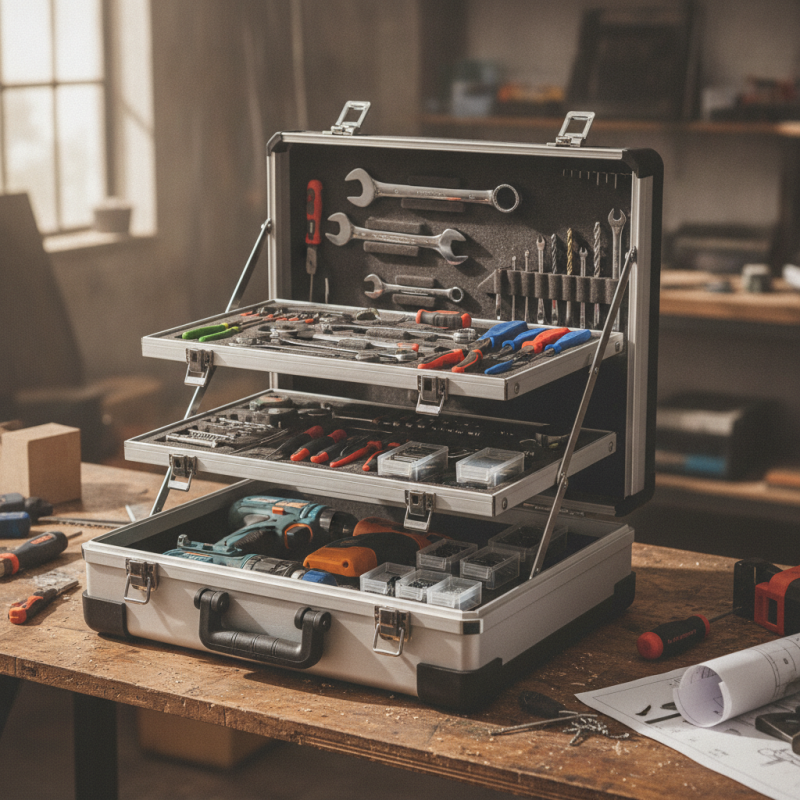
Choosing the right Cantilever Tool Box can significantly enhance your organizational efficiency. With so many options available, it can be overwhelming to find the perfect fit for your needs. A Cantilever Tool Box is designed for versatility, offering multiple compartments and easy access to tools.
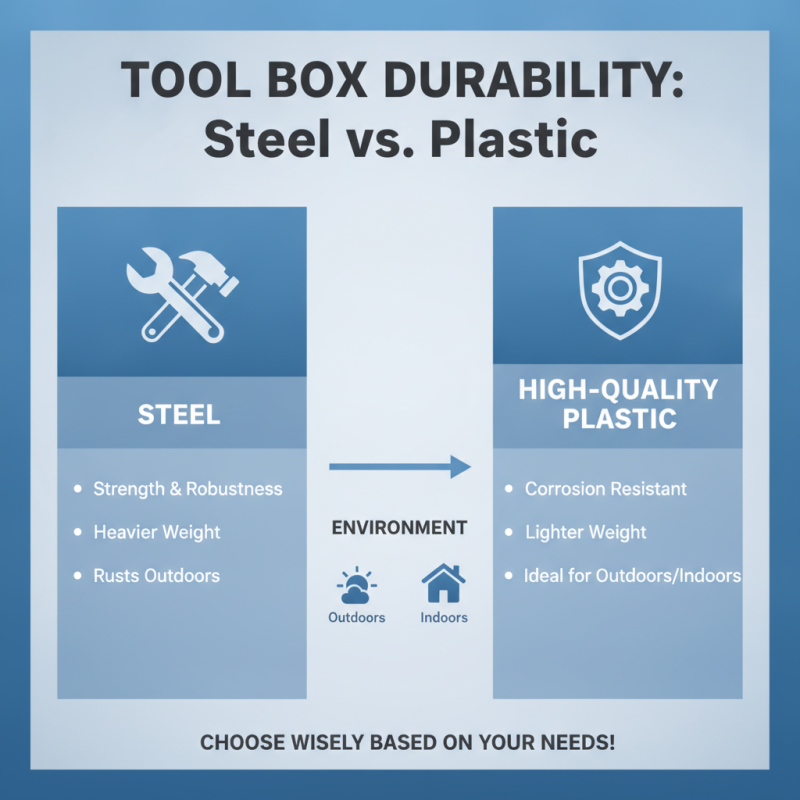
When selecting a Cantilever Tool Box, think about the tools you use most often and your workspace. Durability is crucial; materials like heavy-duty plastic or metal can provide longevity. However, consider weight as well; a robust box may be heavier than desired for transport.
Reflect on your storage habits too. Are you often digging through clutter? A well-designed Cantilever Tool Box helps to keep tools neatly arranged. Remember, not every box fits every person’s needs. Explore options and find the best tool box that meets your expectations while considering your unique working style.
Understanding Cantilever Tool Boxes: A Comprehensive Overview
Cantilever tool boxes are versatile storage solutions. They allow easy access to tools without the hassle of rummaging through a cluttered box. Their unique design features trays that cantilever upwards, providing a well-organized layout for various tools and accessories. This setup is especially useful for tradespeople, hobbyists, and DIY enthusiasts who need a clear view of their tools while working.
Understanding the different materials and sizes available is crucial. Metal boxes are sturdy but can be heavy. Plastic options are lightweight but may lack durability. Think about your specific needs. Consider how many tools you have and how often you transport them. A large box might seem ideal, but if it’s too heavy, it can be cumbersome. Ensure it meets your practical use.
Each design has pros and cons. Many people overlook the importance of weather resistance. A box that isn't water-resistant may damage your tools over time. Reflect on where you will use it: indoors or outdoors? When making a decision, prioritize what truly matters for your specific applications. It may take time to find the perfect fit. Be patient and thorough in your search.
Key Features to Consider When Choosing a Cantilever Tool Box
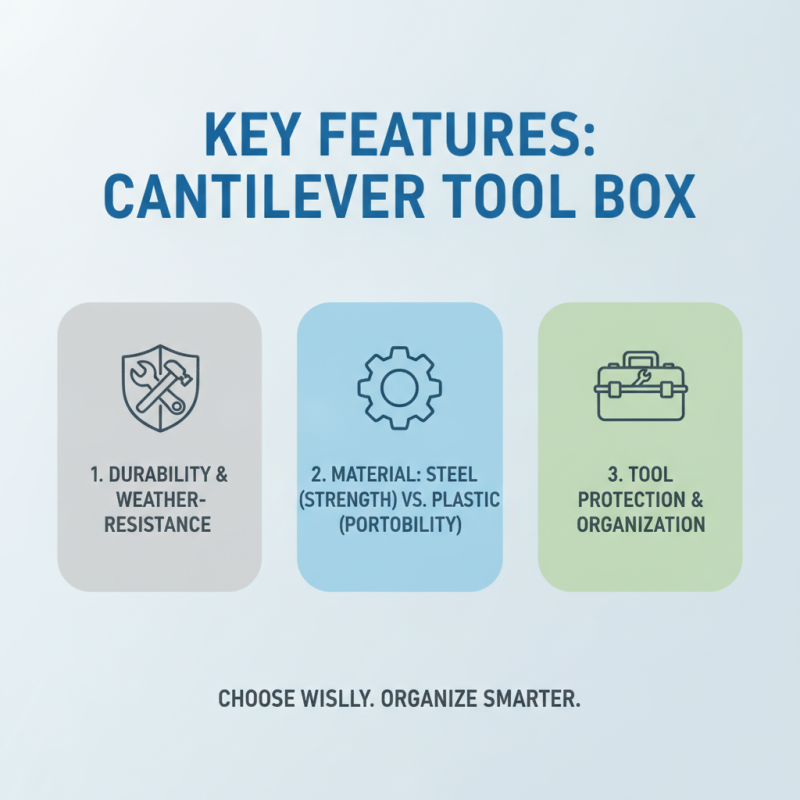
When choosing a cantilever tool box, several key features should guide your selection. Consider the material. A durable, weather-resistant design enhances longevity. Steel and high-impact plastic are popular choices. Each material has its advantages. Steel offers strength, while plastic provides lightweight portability. Selecting the right material impacts how your tools are stored and protected.
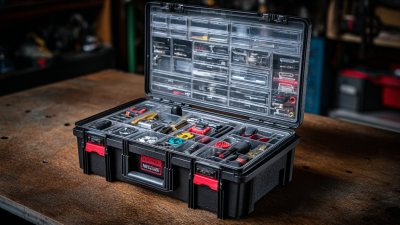
Next, think about compartmentalization. A good cantilever tool box should have multiple compartments. This feature helps organize tools and prevents damage during transport. Adjustable dividers can offer flexibility for different tools. Evaluate the tool box size as well. It should meet your storage needs without being overly bulky. A balance between size and functionality is vital.
Latching mechanisms are also essential. Secure closures keep your tools safe. Consider how accessible the latches are. You want both security and convenience. A box that is difficult to open can lead to frustration. Lastly, reflect on your specific requirements. Everyone's needs vary. Take time to assess what works best for you and your projects.
Assessing Size and Capacity for Your Tool Collection
Choosing the right cantilever tool box involves careful consideration of size and capacity. A 2022 industry report indicated that 65% of users overestimate their tool storage needs. Selecting a box that accommodates your tools without excess space is essential. An ideal tool box minimizes wasted space and enhances organization.
Assess your collection size thoroughly. Are most tools hand-held? Or do you have larger equipment? A well-structured box can hold up to 30% more tools than others lacking adequate compartmentalization. The use of adjustable dividers allows for customization. This flexibility can prevent overcrowding and ensure that frequently used tools are easy to reach.
Consider the weight of your tools as well. A cantilever tool box should support the combined weight without compromising its integrity. A sturdy design prevents damage, which could lead to costly repairs. Remember that the box’s portability matters too. If you carry tools often, ensure it is manageable and not cumbersome. Strive for a balance between capacity and ease of transport.
Budgeting: Finding the Best Value for Your Cantilever Tool Box
When budgeting for a cantilever tool box, consider your specific needs. Assess the tools you own and how you'll use them. A high-quality box can save you from frequent replacements. However, price doesn't always guarantee durability. Look for a balance between cost and functionality.
Evaluate the storage capacity you require. A box that’s too small can lead to clutter. Conversely, an overly large box may seem excessive. Think about portability too. If you transport your tools often, weight matters. Sometimes, lighter boxes compromise on strength. Check materials used, as some may not hold up well under stress.
It's also important to read reviews and seek recommendations. Look for user experiences that highlight durability over time. Prioritize features you find essential. Adjustable compartments can be useful, but be wary of gimmicks that add cost without real value. Aim for a box that fits your budget while meeting your requirements effectively; it's a balancing act worth pondering.
How to Choose the Best Cantilever Tool Box for Your Needs?
This chart illustrates the price range versus the capacity of different cantilever tool boxes available in the market. The data is indicative of common options that cater to various budgets.