How to Choose the Best Tool Box Set for Your Needs?
Selecting the right Tool Box Set can seem daunting. With various options available, it’s easy to feel overwhelmed. Different tools serve different purposes. Some may require more options for specific tasks, while others may prefer simplicity.
Consider your needs carefully. Are you a professional tradesperson or a DIY enthusiast? The right Tool Box Set should match your skills and projects. Quality is essential, but so is variety. A set with too many tools can lead to confusion. You might not use half of them anyway.
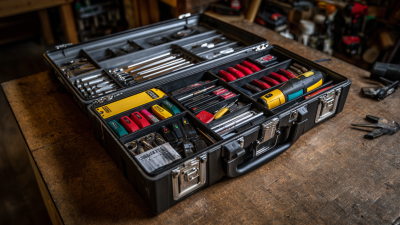
Think about the size and portability. A compact, organized set may suit small jobs. In contrast, a larger set might seem impressive but can be cumbersome. Reflecting on your choices can help you avoid future frustration. The ideal Tool Box Set is not just about having tools. It's about having the right tools at your fingertips when you need them most.
Understanding Your Specific Tool Needs and Requirements
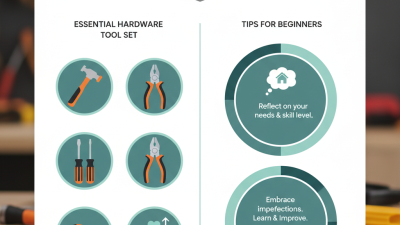
Choosing the right tool box set involves understanding your specific needs and requirements. The first step is to evaluate the types of projects you plan to tackle. Are you focused on home maintenance, DIY projects, or professional work? According to industry research, around 70% of users prefer a versatile set that accommodates various tasks. This could mean a combination of hand tools and power tools, allowing you to tackle everything from minor repairs to significant renovations.
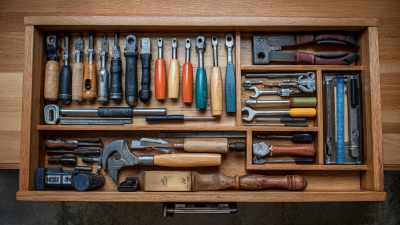
Next, consider the storage capacity and portability of the tool box. A well-organized box should have compartments for different tool types. Studies indicate that organization can improve efficiency by up to 25%. However, many consumers often overlook this aspect. They may choose a larger box without thinking about how much space their tools will require. This can lead to clutter and frustration during use.
Lastly, reflect on the quality of the tools. A lower initial cost may lead to more frequent replacements, which can be a false economy. Research shows that investing in durable tools saves up to 30% more in the long run. Balancing these factors requires careful consideration of your specific needs, even if it feels overwhelming.
Tool Box Set Selection by Specific Needs
Evaluating the Size and Portability of Tool Box Sets
When choosing a tool box set, size and portability are crucial. A large tool box offers ample space for various tools, but it can become cumbersome. Picture yourself struggling to carry a heavy box up a flight of stairs. It’s not just about having room; it’s about ease of use. A smaller tool box can fit into tight spaces and is easier to transport. If you work in various locations, think about what fits your lifestyle.
Consider how often you need to move your tools. If you primarily work from home, portability may not be an issue. In contrast, professionals on the go require lightweight options. Imagine reaching a job site with a bulky box, only to realize you can't easily access what you need. A well-designed tool box facilitates quick access, optimizing your workflow. But sometimes, the allure of a larger box can lead to overpacking. This can create a mess and slow you down. A balance between size and portability is vital.
Analyzing the Variety of Tools Included in the Set
When selecting a tool box set, it's crucial to analyze the variety of tools included. A diverse range adds versatility to your projects. According to industry reports, a well-rounded set typically includes essential hand tools, power tools, and accessories. This varied selection caters to different tasks, from small repairs to more complex projects.
Most people overlook the importance of tool variety. A basic set might include a hammer, screwdrivers, and pliers. However, a comprehensive set may also feature drill bits, wrenches, and measuring tools. Almost 65% of DIY enthusiasts prefer sets with at least 20 different tools. This ensures they can handle numerous scenarios without needing to purchase additional items.
Moreover, the quality of tools matters as much as the quantity. A set might look impressive with over 30 tools, yet if they lack durability, that’s a drawback. Less than 40% of users report complete satisfaction with low-cost sets. They often find themselves replacing tools frequently. Reflecting on this can guide your choice. Prioritize a balanced mix of functionality and quality in your selection process.
How to Choose the Best Tool Box Set for Your Needs? - Analyzing the Variety of Tools Included in the Set
| Tool Box Set |
Number of Tools |
Tools Included |
Material Quality |
Storage Type |
| Basic Tool Kit |
10 |
Wrenches, Screwdrivers, Pliers |
Medium Carbon Steel |
Plastic Case |
| Professional Tool Set |
25 |
Sockets, Ratchets, Screwdrivers, Pliers |
Chrome Vanadium Steel |
Metal Tool Chest |
| Home Repair Set |
15 |
Hammer, Level, Tape Measure, Screwdrivers |
Stainless Steel |
Soft Sided Bag |
| Automotive Tool Set |
30 |
Wrenches, Socket Set, Torque Wrench |
Alloy Steel |
Storage Case |
| Craftsman Tool Set |
40 |
Drills, Saws, Wrenches, Hammers |
High Carbon Steel |
Rolling Tool Cart |
Determining the Quality and Durability of Tools
When selecting a tool box set, assessing the quality and durability of the tools is paramount. Look for materials that resist corrosion and wear, like stainless steel or carbon steel. A solid grip on tools is crucial for comfort and efficiency. Check if the handles are ergonomic. We all know that comfort affects performance.
Take a close look at the construction. Some attachments might seem flimsy after repeated use. Read reviews or seek advice from experienced users. There’s value in sharing experiences. Sometimes, tools can fail under stress, leading to unexpected frustrations during projects. Some tools may not perform as expected over time, which can be a setback.
Durability often connects to maintenance. Certain tools need regular care, while others can withstand neglect better. Resist the urge to choose based on price alone. Affordable tools might require more replacements. This can add to overall cost in the long run. Understanding what you truly need is essential for long-term satisfaction. Choosing wisely means considering how tools fit into your life.
Comparing Prices and Brands for Value Consideration
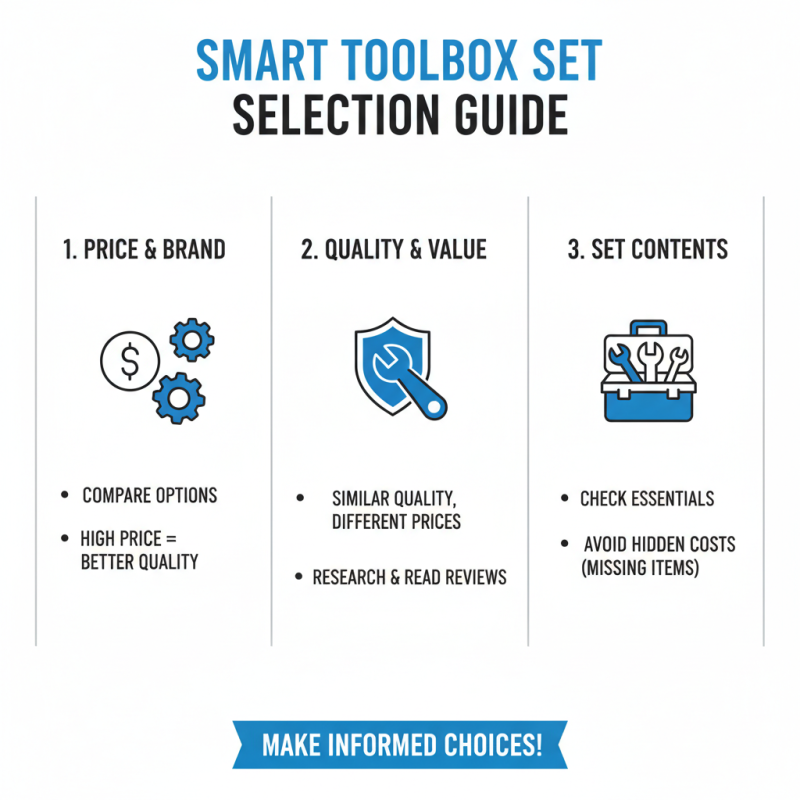
When selecting a tool box set, price and brand matter significantly. It's essential to explore various options and compare both. Many tool sets offer comparable quality at different prices. A higher price does not always guarantee better tools. Pay attention to the products included in the set. Some sets may lack essential items, leading to hidden expenses down the road.
Tips: Check online reviews and user experiences. They reveal a lot about tool performance. Consider warranties too. A good warranty can save you money if something breaks. Don't overlook the importance of versatility. A tool box should ideally cater to various tasks.
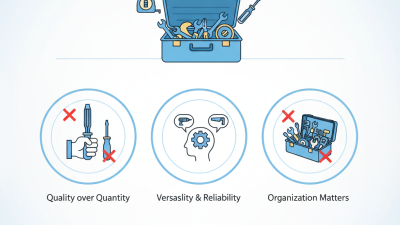
Remember, your needs should dictate your choice. You might not need every tool available. Focus on quality over quantity. Sometimes, purchasing a well-made, smaller set is more effective than a massive one filled with items you won't use. Reflect on what you'll tackle with these tools before making a decision.