10 Essential Tips for Organizing Your Tool Cabinet Efficiently?
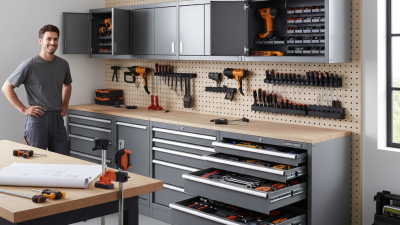
A well-organized Tool Cabinet is essential for any DIY enthusiast or professional tradesperson. The right setup saves time and boosts productivity. It allows easy access to tools, leading to improved efficiency and reduced frustration during projects. However, many face challenges in maintaining an organized space. Tools often end up misplaced or tangled, making the work area chaotic.
Proper organization involves understanding your tools and their frequent usage. This awareness can guide decisions on placement and storage solutions. It might be tempting to just shove everything into the cabinet. However, this can lead to wasted time searching for the right tool. Regularly assessing your Tool Cabinet will help in creating an optimized workflow. Embrace the idea that perfection is not always attainable; sometimes, a tool is lost, and a chaotic moment is inevitable. Through the following tips, you can enhance your Tool Cabinet's efficiency and overcome common pitfalls in organization.
Assessing Your Tool Collection: Deciding What to Keep and Discard
When organizing your tool cabinet, the first step is assessing your tool collection. Look closely at each tool.
Ask yourself if you have used it in the last year. If not, consider letting it go. It's easier to keep your space tidy when you have only useful items.
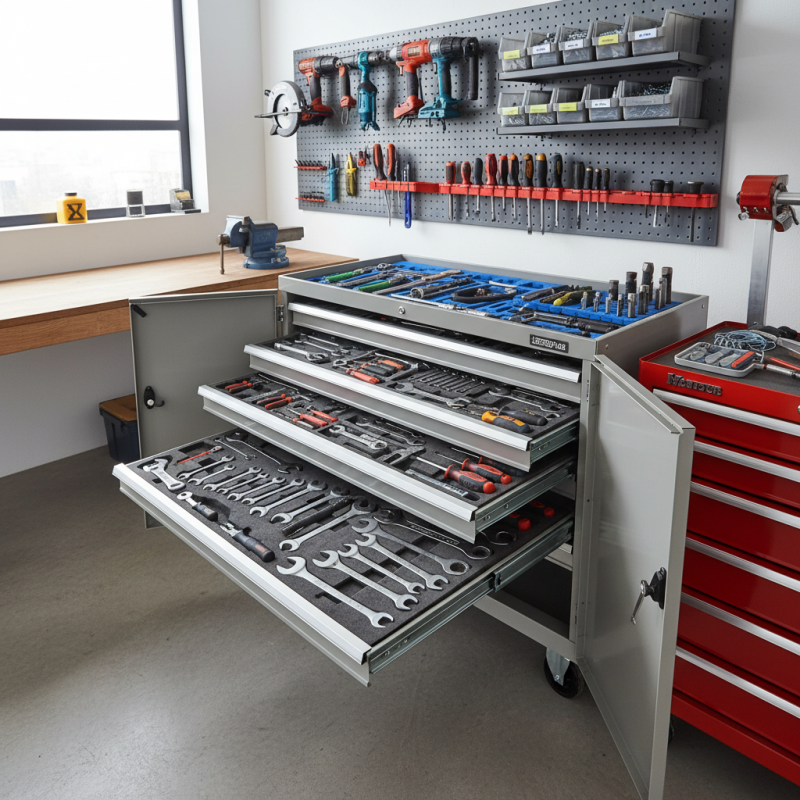
Tip: Sort tools into categories. Keep drills with drills and wrenches with wrenches. This makes finding what you need quicker.
Use bins or small boxes to separate smaller items like screws and nails. You will appreciate this organization during busy projects.
Don't be afraid to discard items that no longer serve you. Holding onto tools can lead to clutter. Reflect on your projects.
Do you really need that extra screwdriver set? Be honest. Sometimes, less is more. A decluttered cabinet saves time and boosts productivity.
It’s about creating an efficient workspace.
Choosing the Right Cabinet: Size and Features for Your Needs
Choosing the right tool cabinet is crucial for efficient organization. Start by considering the available space. Measure the area where you plan to install the cabinet. This helps in selecting a cabinet that fits seamlessly without crowding your workspace. Think about the dimensions too. A smaller cabinet might be easier to manage but could limit storage options.
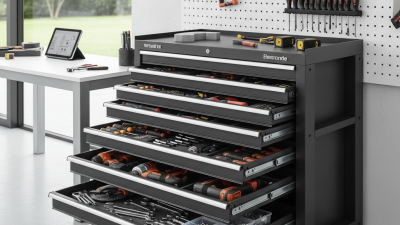
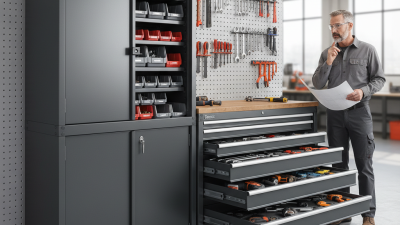
Features are also essential. Look for cabinets with adjustable shelves. This flexibility allows you to customize the space according to your tools. Deep drawers are beneficial for large items. You may want to include a pegboard for hanging tools, making them more accessible. However, if you neglect to account for the weight of your tools, you might end up with a cabinet that doesn’t hold up.
Consider aesthetics as well, although function should be your priority. Attractive storage can encourage tidiness. A cluttered cabinet may lead to frustration. A well-organized cabinet saves time and reduces stress. Review your choices carefully. Sometimes, less popular models perform better than flashy ones.
Categorizing Tools: Creating Effective Groupings for Easy Access
A well-organized tool cabinet is essential for any DIY enthusiast. Categorizing tools effectively can greatly enhance your efficiency. Consider grouping your tools by type. For example, gather all your hand tools in one section. Keep power tools in another. This separation makes finding the right tool quicker and easier.
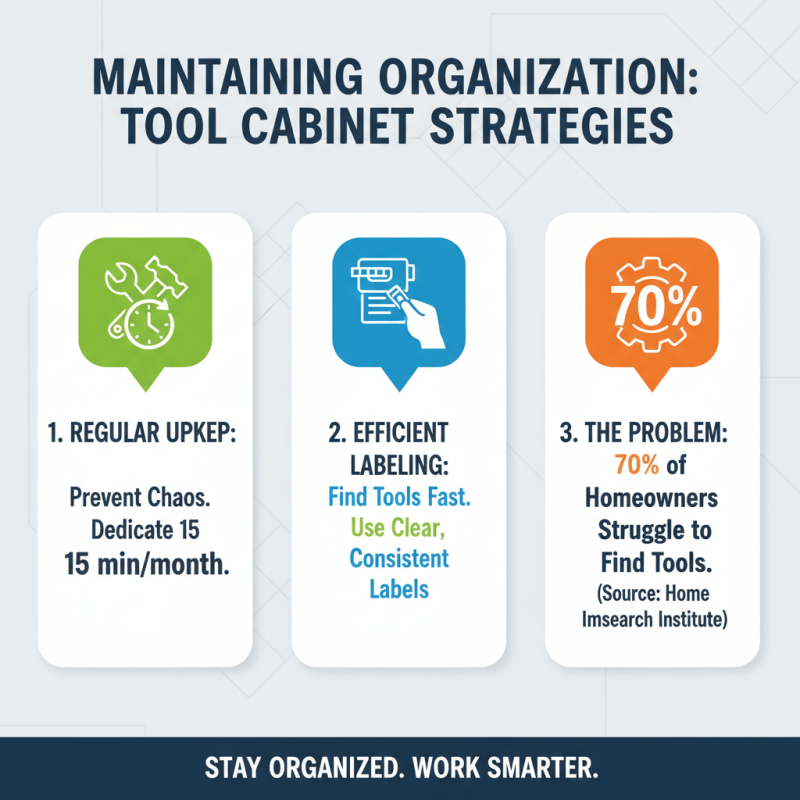
Another useful tip is to label each section clearly. Use simple, bold labels that are easy to read. This little change can save you time and frustration. Color-coding the labels can also provide a visual cue, making it even easier to locate your tools at a glance.
Don’t forget to include frequently used tools in an accessible spot. Place them at eye level or near the front of the cabinet. Consider the occasional clutter that builds up. Regularly reassess your organization system and adjust as needed. You may discover that some tools gather dust, while others are always in demand. Reflecting on your usage patterns can lead to a more efficient setup.
Utilizing Storage Solutions: Shelves, Bins, and Magnetic Strips
When it comes to organizing your tool cabinet, utilizing effective storage solutions is key.
Shelves offer a versatile way to keep tools visible and accessible. A study revealed that 70% of professionals prefer wall-mounted shelves for easy retrieval. This method reduces clutter and saves time, allowing users to focus on their projects.
Bins are another essential storage solution. They come in various sizes and can help categorize tools, making it easier to locate specific items. Consider clear bins to enhance visibility.
A recent survey indicated that 75% of DIY enthusiasts find that organized bins significantly improve their efficiency. Labels can add clarity, ensuring that all tools find their rightful place.
Magnetic strips are a game-changer for small metal tools like scissors and wrenches. By keeping them off the workspace, you create a safer and more efficient environment.
Industry studies have shown that using magnetic strips can increase productivity by up to 30%. However, it’s crucial to regularly assess which tools need to be on display and which can be stored away. This reflection helps maintain an organized system tailored to your needs.