Top Cantilever Tool Box Manufacturers for Global Buyers
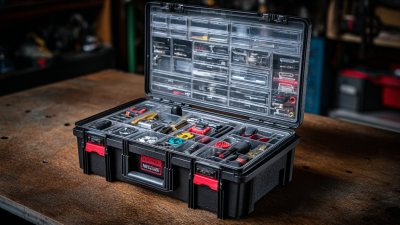
Global buyers are rethinking how tools move through workshops, service vans, and construction sites. A Cantilever Tool Box offers visible access, layered storage, and compact transport. Its trays open like folding shelves, keeping sockets, pliers, and fasteners within reach.
Market data supports this interest, although the category remains difficult to measure independently. Grand View Research’s Hand Tools Market report and Fortune Business Insights’ Tool Boxes Market analysis identify steady demand for durable, organized storage. Both reports connect growth with maintenance work, professional construction, vehicle servicing, and small manufacturing. These sources do not isolate Cantilever Tool Box sales. That limitation matters.
Lean-management expert Masaaki Imai said, “Kaizen means ongoing improvement involving everybody, without spending much money.” His principle fits tool storage surprisingly well. A strong box reduces wasted movement, protects equipment, and makes missing items easier to notice.
Not every attractive design performs well. Thin hinges may loosen. Overloaded trays can bend. Poor drawer balance creates real safety concerns. Global buyers should compare steel thickness, load capacity, corrosion resistance, locking quality, replacement parts, packaging, and after-sales support. Independent testing is valuable, but it is not always available.
This guide reviews leading Cantilever Tool Box manufacturers through practical buying criteria. It considers factory experience, quality systems, export capability, customization, and product consistency. Prices alone can mislead. A cheaper box may cost more after damaged tools, delayed parts, or repeated replacement. The best manufacturer is not always the largest. Performance in daily use remains the harder truth.
Cantilever Tool Boxes: Design, Uses, and Core Features
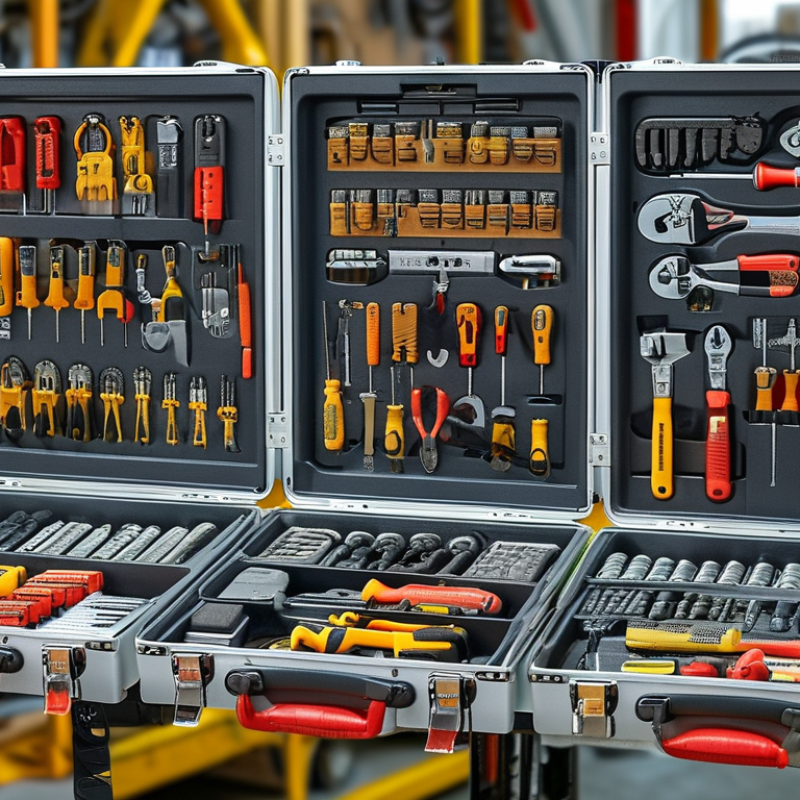
A cantilever tool box opens in layered sections, giving users a clear view of small equipment. Its trays rise outward when the lid lifts. This structure saves search time and reduces clutter during busy repairs. In a workshop, sockets, pliers, and fasteners stay separated. I have found that visible storage also prevents unnecessary handling.
Mobile technicians often carry cantilever boxes between service vehicles and work areas. The design suits electrical maintenance, mechanical repair, assembly, and general facility work. At a construction site, reinforced corners can protect tools from repeated movement. For global buyers, size and weight matter because shipping costs can change quickly. A compact box may be easier to transport, but it can limit tray capacity.
Core features include strong hinges, secure latches, stable legs, and corrosion-resistant surfaces. Steel offers durability, while engineered plastic reduces weight and resists moisture. Smooth tray movement is important. Stiff mechanisms become frustrating after hundreds of openings. Buyers should check load ratings, handle strength, fastener quality, and replacement-part availability. Product samples deserve practical testing, not only catalog review.
No design is perfect. A deep lower compartment may hold power tools but reduce portability. A lighter box may flex under heavy loads. Manufacturers should publish measured dimensions, material details, and tested capacity. Honest specifications build trust. Packaging also needs attention, since damaged corners can affect alignment before the box reaches its user.
Top Cantilever Tool Box Manufacturers for Global Buyers
Cantilever Tool Boxes: Design, Uses, and Core Features
Cantilever tool boxes are designed for organized access to hand tools, fasteners, and maintenance equipment. Their tiered trays open outward, improving visibility while keeping the main case compact for transport. The chart shows representative load-capacity levels commonly associated with different cantilever configurations; actual specifications vary by construction material, hinge design, tray reinforcement, and locking system.
Profiles of Major Cantilever Tool Box Manufacturers
Major cantilever tool box manufacturers generally follow three production models. Metal specialists use cold-rolled steel, reinforced hinges, and powder coatings for demanding workshops. Polymer-focused producers reduce weight with impact-resistant polypropylene and glass-filled components. Modular manufacturers combine removable trays, drawers, and lockable compartments for mobile technicians.
Grand View Research estimates the global tool storage products market will expand at about 4.8% annually through 2030. This growth supports manufacturers investing in ergonomic handles, corrosion resistance, and standardized fittings. In practice, experienced buyers should inspect hinge alignment, tray clearance, and load behavior. A box can look strong. Its hinge may disagree. The ISO 9001 quality framework also encourages documented production controls, although certification alone cannot prove field durability. Real workshop trials remain more convincing.
Tips:
Compare usable volume, not advertised capacity. Check steel thickness, wheel stability, and latch performance with gloves. Ask manufacturers for load-test methods, material specifications, and replacement-part availability. The Freedonia Group’s tool storage research identifies professional maintenance and industrial users as important demand segments. That suggests manufacturers should design for repeated opening, dust exposure, and uneven transport. However, market reports often simplify regional preferences. A compact box suitable for European service vans may feel cramped in larger North American workshops. This is where supplier interviews and hands-on sampling prevent expensive assumptions.
Materials, Quality Standards, and Product Customization Options
Top Cantilever Tool Box Manufacturers for Global Buyers
Materials determine how a cantilever toolbox performs after years of opening, lifting, and transport. Cold-rolled steel offers strong load support and resists deformation when properly powder-coated. Aluminum reduces weight, but its hinges and corners need careful reinforcement. ABS and polypropylene inserts can protect small tools from scratches. Weight matters. Grand View Research’s 2024 Hand Tools Market report estimates the global market at about USD 23.5 billion in 2023, showing continued demand for durable storage across maintenance and construction work.
Quality should be verified through evidence, not attractive samples. Manufacturers aligned with ISO 9001:2015 should control drawings, incoming materials, inspection records, and corrective actions. Buyers can request load tests, hinge-cycle tests, drop tests, and ISO 9227 salt-spray results. ASTM D4169 testing also helps evaluate packaging during shipment. Deloitte’s 2024 Global Manufacturing Industry Outlook highlights quality visibility and supply-chain resilience as major manufacturing priorities. A factory that cannot share test records deserves closer questioning.
Customization may include drawer depth, tray geometry, foam density, powder-coat color, locking systems, labels, and export packaging. Small changes matter. A 5-millimeter clearance error can stop a drawer from closing with gloves inside. Custom samples should be tested in real working conditions, not only photographed. One weakness remains: buyers sometimes prioritize the lowest unit price and overlook replacement hinges, corrosion exposure, or carton damage. That decision can become expensive after delivery.
How Global Buyers Can Compare Suppliers and Place Orders
Global buyers comparing cantilever tool box manufacturers should examine more than catalog photos. Ask for material grades, steel thickness, coating details, and load-test records. A reliable supplier should explain how hinges, trays, and locking points are tested. Request factory videos or an independent inspection report when possible. Real production evidence matters more than polished claims.
Compare quotations on equal terms. Check unit price, minimum order quantity, sample charges, packaging, lead time, and shipping conditions. Confirm dimensions carefully. A box that fits tools poorly creates costly returns. Request a pre-production sample before placing a large order. Inspect tray movement, handle strength, weld consistency, and surface finish. I have found that small defects often appear around hinges and corners. This step may feel slow, but it prevents larger problems. Product specifications can also be misunderstood between countries, so use drawings and photographs together.
Tips:
Build a simple supplier comparison sheet. Record every answer and promised date. Ask whether replacement parts are available. Confirm carton sizes and pallet limits before booking freight. Clarify payment stages and inspection rights in writing. Do not choose the lowest quote automatically. A cheaper box may use thinner steel, weaker rivets, or less protective packaging. Some assumptions will still be wrong, so leave time and budget for adjustments.