How to Choose the Best Tool Cabinet for Your Needs?
Choosing the right tool cabinet can significantly enhance your workspace. It provides organization and accessibility. A well-selected tool cabinet keeps your tools secure and easy to find.
There are many options available. Each option varies in design, size, and material. This diversity makes decision-making challenging. You may feel overwhelmed by the choices. Take your time to reflect on your specific needs. Consider the types of tools you own and how often you use them. A quality tool cabinet should cater to these aspects.
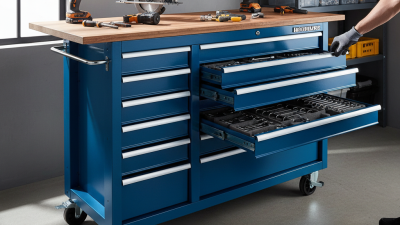
Understanding the features of different tool cabinets adds clarity to your selection process. Think about durability and construction. A sturdy cabinet can withstand regular use and keep your tools safe. Don't overlook the importance of mobility. Some cabinets offer wheels for easy transport. Aim to find a balance between functionality and budget. Remember, the right tool cabinet can evolve with your needs.
Understanding Your Tool Storage Needs
Choosing the right tool cabinet starts with understanding your specific tool storage needs. Carefully assess the types and sizes of your tools. Do you have large power tools or small hand tools? Knowing this will help determine the dimensions of the cabinet you require. A cabinet that fits your tools is essential for maintaining organization.
Consider how often you access your tools. If you use them daily, you may need a cabinet with easy access compartments. If tools are rarely used, deeper storage may suffice. Proper categorization is key. Group similar tools together. This not only saves time but also prevents clutter.
Think about the future, too. As you acquire more tools, will your current cabinet still meet your needs? Maybe not. Reflect on your storage capacity. Insufficient space can lead to frustration. Additionally, consider the material of the cabinet. Steel offers durability, while plastic might be lighter but less sturdy. Your preferences greatly influence the best choice for you.
Tool Storage Needs Analysis
Evaluating Different Types of Tool Cabinets
When selecting a tool cabinet, evaluating different types is crucial. A recent survey from the Home Improvement Research Institute found that 70% of homeowners prioritize storage space. This need drives the popularity of modular cabinets. These versatile options allow for customization and easy reconfiguration as needs change.
Another common choice is mobile tool cabinets. The same survey revealed that 55% of professionals prefer mobility for job sites. These cabinets often come with wheels and various tray configurations. However, they may lack the sturdiness of stationary models. Users must weigh the importance of mobility against durability when making a selection.
Consider how often you access your tools. Frequent use might lead you to prefer open shelving or drawers, while infrequent users can opt for stackable designs. It's essential to reflect on your specific needs. The right cabinet will facilitate organization and efficiency, reducing frustration during projects. Remember, your choice should enhance your workflow, but there might be trade-offs to consider.
Assessing Material and Construction Quality
When selecting a tool cabinet, material and construction quality is crucial. The cabinet should resist wear and tear. Steel is a common choice, offering durability. A powder-coated finish can enhance resistance to rust and scratches. Look for cabinets made from solid materials rather than flimsy options. Thin walls may lead to warping over time.
Check the joints and hinges. Welded seams are generally stronger than assembled ones. Ensure the drawers slide smoothly. They should be able to support heavy tools without buckling. Strength and stability matter, especially in busy workshops.
Consider the design and layout. A well-organized cabinet enhances efficiency. However, some cabinets may have a limited arrangement of drawers. It could restrict your tool storage options. Examine the overall build carefully. A great cabinet is not just about aesthetics; it's about functional integrity. Take the time to assess these details. They will impact your long-term satisfaction.
How to Choose the Best Tool Cabinet for Your Needs? - Assessing Material and Construction Quality
| Feature |
Material |
Construction Quality |
Price Range |
Durability Rating |
| Drawer Glide System |
Steel |
High |
$300 - $500 |
10/10 |
| Shelving Capacity |
Aluminum |
Medium |
$200 - $400 |
8/10 |
| Locking Mechanism |
Plastic |
Low |
$100 - $200 |
5/10 |
| Overall Design |
Wood |
High |
$400 - $700 |
9/10 |
| Weight Capacity |
Steel |
High |
$250 - $450 |
10/10 |
Determining Size and Space Requirements
Choosing the right size for your tool cabinet is essential. Surveys indicate that 44% of tradespeople prefer cabinets with defined dimensions. This allows for better organization and accessibility. However, many people overlook measuring their available space before purchasing. It’s crucial to evaluate where you’ll place the cabinet. Consider factors such as nearby features, floor space, and clearance.
When determining dimensions, think about your tools and storage habits. Reports show that an average workshop contains over 150 tools. A smaller cabinet may lead to clutter. Yet, a larger cabinet might consume valuable space. Aim for a size that accommodates your tools while allowing for future additions. Don't be afraid to think outside the box regarding space utilization. Overhead storage can help if you have limited floor area.
Reflecting on your needs can help avoid mistakes. A cabinet that seems perfect may not fit in your space. Often, people choose cabinets based on aesthetics rather than practicality. Look for a cabinet that meets your size requirements first. Pay attention to your workspace’s layout before making a decision. A well-chosen cabinet can improve efficiency and enhance your workflow.
Budget Considerations for Tool Cabinets
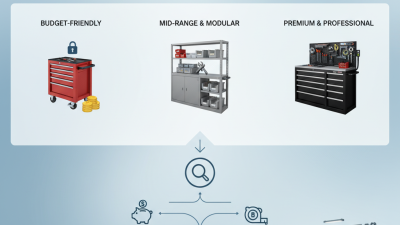
When choosing a tool cabinet, budget plays a crucial role. You must assess your financial capacity before making any decisions. Setting a clear budget helps narrow down your options. Look at how much you’re willing to spend. A well-defined budget can prevent overspending and help you prioritize key features.
The cost of tool cabinets varies widely. Basic models might only cost a few hundred dollars, while high-end ones can exceed a thousand. Think about your storage needs. If you have numerous tools, a more substantial investment may be necessary. Consider both quality and quantity: lower-priced cabinets may lack durability. You might find that spending a bit more upfront pays off in the long run.
Reflect on the possible compromises when working within a budget. You may need to sacrifice certain features for a lower price. Does the cabinet have enough compartments? Are there strong, secure locks? These details matter. A cheaper option might not meet your long-term needs. Balancing cost with functionality is key. Consider trade-offs carefully before finalizing your choice.