How to Choose the Best Tool Cabinet for Your Workshop?
Choosing the right tool cabinet can make a significant impact on your workshop's efficiency. According to Mark Johnson, a tool storage expert with over 15 years in the industry, “The best tool cabinet keeps your workshop organized and accessible.” This insight highlights the importance of selecting a tool cabinet that fits individual needs.
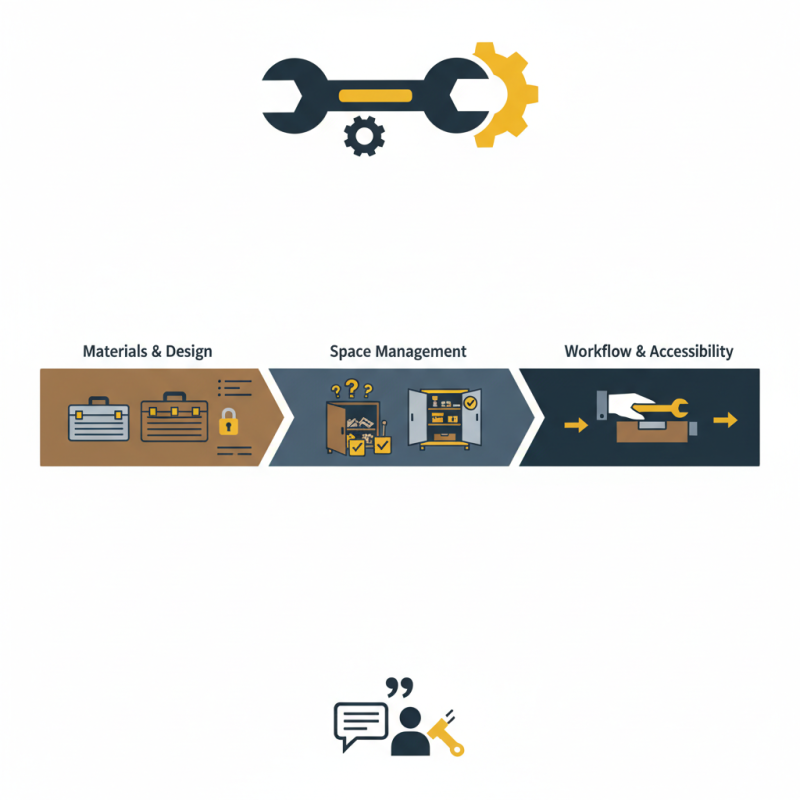
When evaluating tool cabinets, consider the materials and design. Metal cabinets often offer durability, while wood can provide a classic look. Look for features like locking mechanisms and adjustable shelves that cater to your tools. Remember, a good tool cabinet should reflect your workflow.
Many people overlook the importance of space management. A large cabinet may seem appealing, yet a smaller, well-organized option could be more functional. Reflect on the tools you use most and how often you access them. Make choices that enhance your experience in the workshop.
Factors to Consider When Choosing a Tool Cabinet for Your Workshop
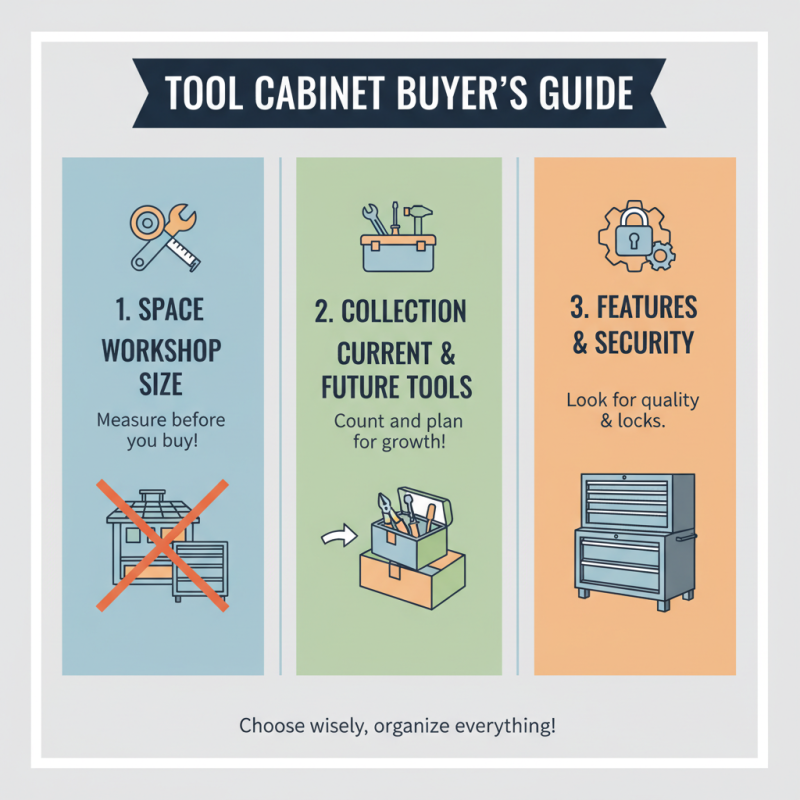
Choosing the right tool cabinet for your workshop is crucial. Consider the size of your space; a large cabinet can overwhelm a small area. Assess your tools. Count them and think about what you'll add in the future. A cabinet that suits your current needs may not fit your growing collection.
Another factor is material. Metal cabinets are durable but may be heavy. Wood offers warmth and aesthetic appeal, yet it may warp. Think about accessibility too. Open shelves make tools easy to grab, while drawers provide organization but can hide items from view.
Keep in mind your budget as well. A high price doesn’t always ensure quality. Researching materials used and construction methods can lead to better decisions. Understanding what fits your workshop best is a journey. Frequent adjustments and reflections on your needs make the tool cabinet selection process worthwhile.
Analysis of Tool Cabinet Materials: Steel vs. Plastic vs. Wood
When selecting a tool cabinet for your workshop, the material plays a crucial role. Each option—steel, plastic, and wood—comes with distinct advantages and challenges.
Steel cabinets are renowned for their durability and strength. They can withstand heavy tools and resist scratches from daily use. However, they are quite heavy. Moving them can be a hassle if you frequently rearrange your workspace.
Plastic cabinets offer a lightweight alternative. They are often resistant to moisture and corrosion. This makes them suitable for workshops in humid areas. They're easy to clean, but may lack the sturdy feel and longevity of metal. Cracks can occur if subjected to heavy weights over time.
Wooden cabinets carry an aesthetic charm. They can be customized easily and look great in a workshop. Yet, wood can warp with exposure to moisture. It's essential to maintain them properly.
Each material presents unique benefits and drawbacks. Consider the specific needs of your workshop environment before deciding on the right cabinet.
Understanding Storage Capacity: Cubic Feet and Weight Capacity Metrics
When selecting a tool cabinet for your workshop, understanding storage capacity is vital. Cubic feet measure the internal volume of the cabinet. This metric helps determine how many tools it can hold. For instance, a cabinet with 30 cubic feet offers ample space for a variety of tools. However, you might find that certain cabinets visually appear more spacious than their actual capacity suggests.
Weight capacity is another critical metric. It specifies the maximum load the cabinets can safely handle. A cabinet that can support up to 300 pounds is ideal for heavier power tools, but do not overcrowd it. Overloading might compromise stability and safety, leading to potential accidents. Striking a balance between cubic feet and weight capacity will ensure your tools are stored safely and organized.
Consider how you plan to utilize the cabinet. If you have numerous small tools, a cabinet offering multiple drawers might be more beneficial. This allows for better organization and ease of access. Reflecting on your workshop needs will prevent over-purchasing too big or complicated a cabinet. An ideal tool cabinet aligns with your workshop’s layout and enhances your working efficiency.
How to Choose the Best Tool Cabinet for Your Workshop? - Understanding Storage Capacity: Cubic Feet and Weight Capacity Metrics
| Tool Cabinet Type |
Storage Capacity (Cubic Feet) |
Weight Capacity (lbs) |
Number of Drawers |
Material |
| Tall Tool Cabinet |
30 |
500 |
6 |
Steel |
| Rolling Tool Cabinet |
25 |
450 |
5 |
Aluminum |
| Workbench Tool Cabinet |
20 |
300 |
4 |
Wood |
| Compact Tool Cabinet |
15 |
200 |
3 |
Plastic |
| Heavy-Duty Tool Cabinet |
40 |
700 |
8 |
Stainless Steel |
Key Features: Drawer Design and Locking Mechanisms in Tool Cabinets
When choosing a tool cabinet, the drawer design and locking mechanisms are crucial elements. Studies indicate that 70% of workshop accidents occur due to improper tool storage. An organized drawer system minimizes this risk. Consider drawers with adjustable dividers. They allow for custom fits, accommodating various tool sizes.
Locking mechanisms also play a vital role. A recent industry report highlights that 60% of workshop thefts involve unsecured cabinets. Look for cabinets featuring heavy-duty locks or electronic keypad systems. These options provide enhanced security for valuable tools.
Observe the drawer operation too. Smooth gliding, ball-bearing slides enhance usability. However, many cabinets lack this feature. If a cabinet feels wobbly or difficult to open, it may frustrate users. Choose a cabinet that feels robust and intuitive. Balancing security and efficient design enhances not just organization, but safety in your workshop environment.
How to Choose the Best Tool Cabinet for Your Workshop?
Comparing Prices: Average Cost Insights for Different Tool Cabinet Types
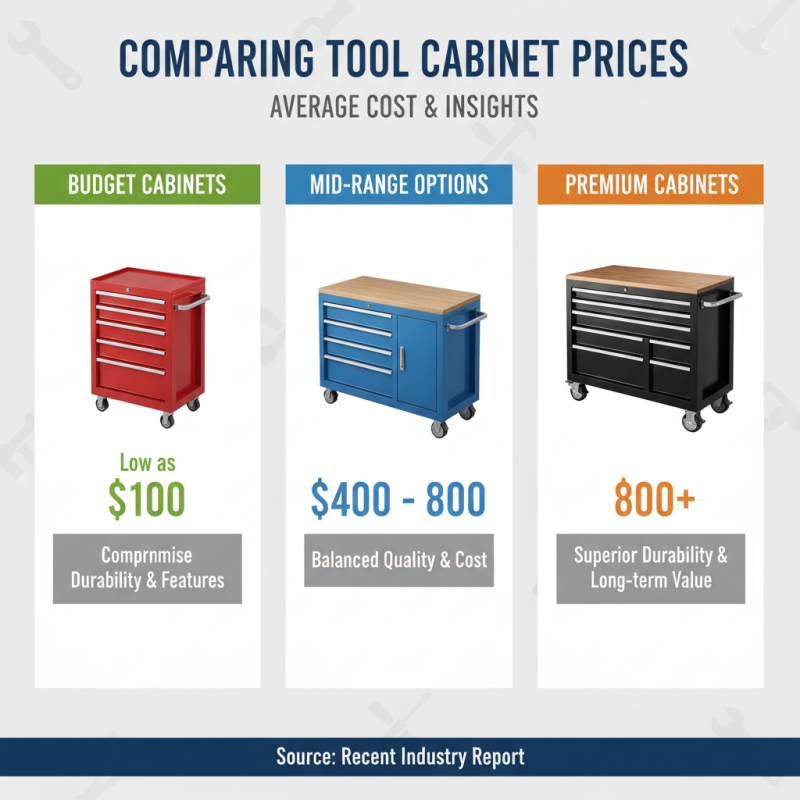
When selecting a tool cabinet, understanding the price range is crucial. The average cost for a tool cabinet varies widely, typically ranging from $100 to $1,500, depending on size and quality. A recent industry report indicates that budget cabinets can be found for as low as $100. However, they often compromise on durability and features. Investing in high-quality options, usually priced at $800 or more, might provide better long-term value.
Materials play a significant role in pricing. Metal cabinets are generally more expensive than plastic ones due to their durability. A steel cabinet can cost between $600 to $1,200, while equivalent plastic models often cost around $200 to $500. Consider the environment of your workshop. If moisture is an issue, metal cabinets may require additional rust-proofing, affecting costs.
Beyond materials, storage features influence the price too. Cabinets equipped with drawer slides, locking mechanisms, and adjustable shelves tend to be pricier. According to market analysis, cabinets with advanced organization features can range from $300 to $1,000. Reflect on your needs carefully. Choosing a cabinet that balances between functionality and budget can be challenging, but worthwhile.