How to Choose the Best Workbench With Drawers for Your Needs?
Choosing the right workbench with drawers can significantly enhance your workspace efficiency. Expert carpenter Tom Anderson emphasizes, "A well-organized workbench makes all the difference." His insight reflects the importance of functionality in selecting the perfect model for your needs.
These workbenches come in a variety of designs. Each serves different purposes. Whether you are a hobbyist or a professional, the right choice impacts productivity. Look for features such as storage capacity and usability. These elements can turn a chaotic workspace into a streamlined area.
However, not all workbench designs suit every task. An ill-fitting size can waste space. A lacking storage solution may leave you frustrated. Reflecting on your specific needs will guide your decision. Consider your projects and workflow before making a purchase.
Factors to Consider When Choosing a Workbench with Drawers
When choosing a workbench with drawers, several factors come into play. Firstly, consider the size. A workbench should fit your workspace while offering ample surface area. Too small, and you may find it cramped. Too large, and it can feel overwhelming. Measure your area before deciding.
Next, think about drawer configuration. Some workbenches feature numerous small drawers. Others offer larger, deep drawers. Choose based on what you plan to store. Tools? Materials? Each needs different space. A clear layout can make access easier. Don't forget about the weight capacity of the bench. If it can't hold your equipment, it’s not worth it.
Lastly, the material of the workbench matters. Wood offers durability but can wear over time. Steel provides strength but may be prone to rust. Reflect on how you'll use the bench. The right material will ensure longevity. Consider your needs carefully to make an informed decision. Don’t rush this process; a workbench is a long-term investment.
Types of Workbenches: Finding the Right Style for Your Needs
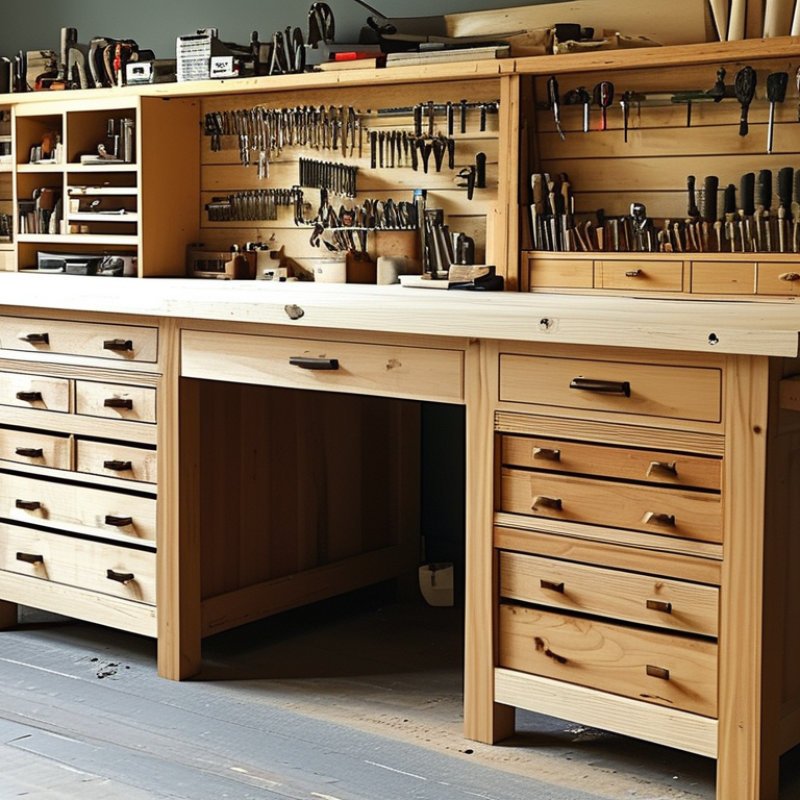
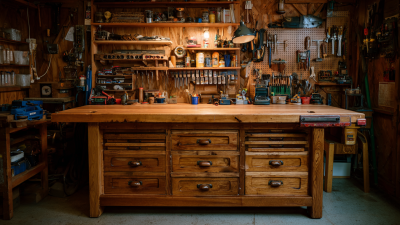
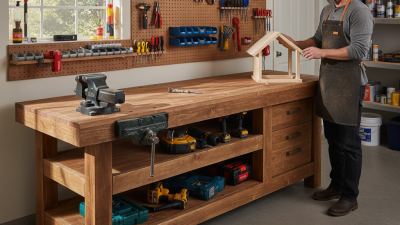
Choosing the right workbench can make a significant difference in your workspace. When considering types of workbenches, think about the style that fits your needs best. An essential aspect is the design. Some workbenches come with drawers, providing efficient storage for tools and materials. This can help keep your workspace organized and clutter-free. The right type can enhance productivity.
Look into various styles, such as mobile workbenches. These allow easy movement. If you have limited space, a compact unit might work well. Some people prefer heavy-duty workbenches designed for strength. They are perfect for rigorous activities like woodworking or metalworking. Assess your typical tasks to determine which style fits.
Don’t neglect the ergonomic aspect. An improperly chosen workbench can lead to discomfort or strain. Test different heights and layouts to find your ideal setup. Reflect on how you use your workspace. A thoughtful choice can help you avoid future frustrations. Make your decision based on practical needs and personal comfort.
Materials and Durability: Essential Aspects of Workbench Selection
When selecting a workbench with drawers, material and durability are critical considerations. Wood and metal are popular materials. Research shows that hardwoods, like maple and oak, offer superior strength. This durability translates into a longer lifespan for your workbench. Metal work surfaces, often made of steel, resist scratches and dents. They are also easy to clean, making them ideal for heavy-duty use.
A recent industry report highlighted that 35% of users had issues with their workbenches corroding over time. This emphasizes the need for protective coatings on metal surfaces. Consider the load capacity of the workbench. A sturdy option typically supports over 500 pounds. If you plan to use heavy tools, ensuring your workbench can handle the weight is essential.
Look closely at drawer construction. Solid wood drawers offer better support than particleboard counterparts. Yet, not all solid wood choices are equal. Some may warp, impacting drawer performance. Additionally, soft-close mechanisms enhance usability but add to the initial cost. Therefore, balance your budget with your intended use. Reflect on what materials and durability mean for your workshop's efficiency, as your choice will impact its overall functionality.
Storage Solutions: How Many Drawers Do You Really Need?
When considering how many drawers you need in a workbench, it’s crucial to evaluate your storage requirements. Research from the American Furniture Manufacturers Association suggests that a well-planned workspace can enhance productivity by up to 20%. For hobbyists and professionals alike, having adequate storage is essential. For instance, a workbench with two to four drawers typically suffices for small tools and supplies.
However, oversizing your expectations can lead to clutter. Many users report drawer overcrowding when they opt for too many compartments. A survey by the Workbench Association found that 40% of users prefer modular designs for flexibility. This allows for modifications as storage needs change over time. Aim to strike a balance between enough storage and manageability.
Take note of the types of items you work with regularly. If you frequently use hand tools, having at least three drawers might make them more accessible. Size matters, too; experts recommend drawer depths of 12 to 18 inches for optimal organization. Illuminate areas with good lighting to avoid underutilized storage. Reflect on your evolving needs. Adjusting your layout could dramatically improve efficiency. Choosing the right number of drawers is not just about quantity, but also about functionality in your workspace.
Budgeting for Your Workbench: Finding Quality Within Your Price Range
Choosing the right workbench with drawers can impact productivity significantly. Budgeting is key. The ideal workbench balances quality and affordability. According to industry reports, a durable workbench typically ranges from $200 to $600. This price bracket often ensures you get reliable materials and features.
When setting your budget, check the weight capacity. A sturdy workbench should support at least 300 pounds. It's wise to consider additional features like adjustable heights or integrated lighting. However, sometimes extra features may not justify the price increase.
Tips: Look for workbenches made from solid wood or steel for longevity. Evaluate user reviews to gauge real-world performance. Rethink your needs—do you need multiple drawers, or will one suffice? Overspending on unnecessary features can lead to buyer's remorse. Focus on finding quality options within your budget, ensuring they meet your specific tasks.
How to Choose the Best Workbench With Drawers for Your Needs? - Budgeting for Your Workbench: Finding Quality Within Your Price Range
| Workbench Type |
Material |
Number of Drawers |
Weight Capacity (lbs) |
Price Range (USD) |
| Heavy-Duty Workbench |
Steel |
4 |
1500 |
$300 - $500 |
| Wooden Workbench |
Pine |
2 |
600 |
$150 - $250 |
| Portable Folding Workbench |
Aluminum |
2 |
300 |
$80 - $150 |
| Workbench with Adjustable Height |
MDF |
3 |
800 |
$200 - $350 |
| Industrial Workbench |
Steel |
6 |
2000 |
$400 - $700 |